Signs Your Commercial Rooftop Unit Needs Repair or Replacement
Your rooftop hvac system quietly handles the heavy lifting for your commercial building every single day. But when performance starts slipping, the signs are often hiding in plain sight. Here is how to recognize the early warning signs that your commercial rooftop hvac units need professional attention-and when it makes more sense to invest in rooftop unit replacement rather than another round of costly repairs.
Key Takeaways
- Rooftop units typically last 15 to 20 years. After 10–15 years, frequent breakdowns, inconsistent temperatures, and rising energy bills are strong indicators that replacement may outperform continued repair.
- Concrete red flags demanding a service call now include unusual noises, burning or electrical smells, short cycling, visible rust or damage on the roof, water pooling, and ice on the unit.
- Declining energy efficiency and cooling performance show up on real utility bills and in occupant complaints. Ignoring these symptoms increases operating costs and raises the risk of complete system failure.
- Critical component problems-especially with the blower motor, control board, and electrical systems-often determine whether repair or full unit replacement is the smarter long-term move.
- Schedule an appointment today with Frazier Service Company for an on-site rooftop evaluation, repair estimate, or strategic replacement plan.
How to Tell if Your Commercial Rooftop Unit Needs Attention Now
Commercial rooftop hvac units are the workhorses behind every comfortable commercial building. Early detection of problems protects comfort, extends equipment life, and safeguards your bottom line.
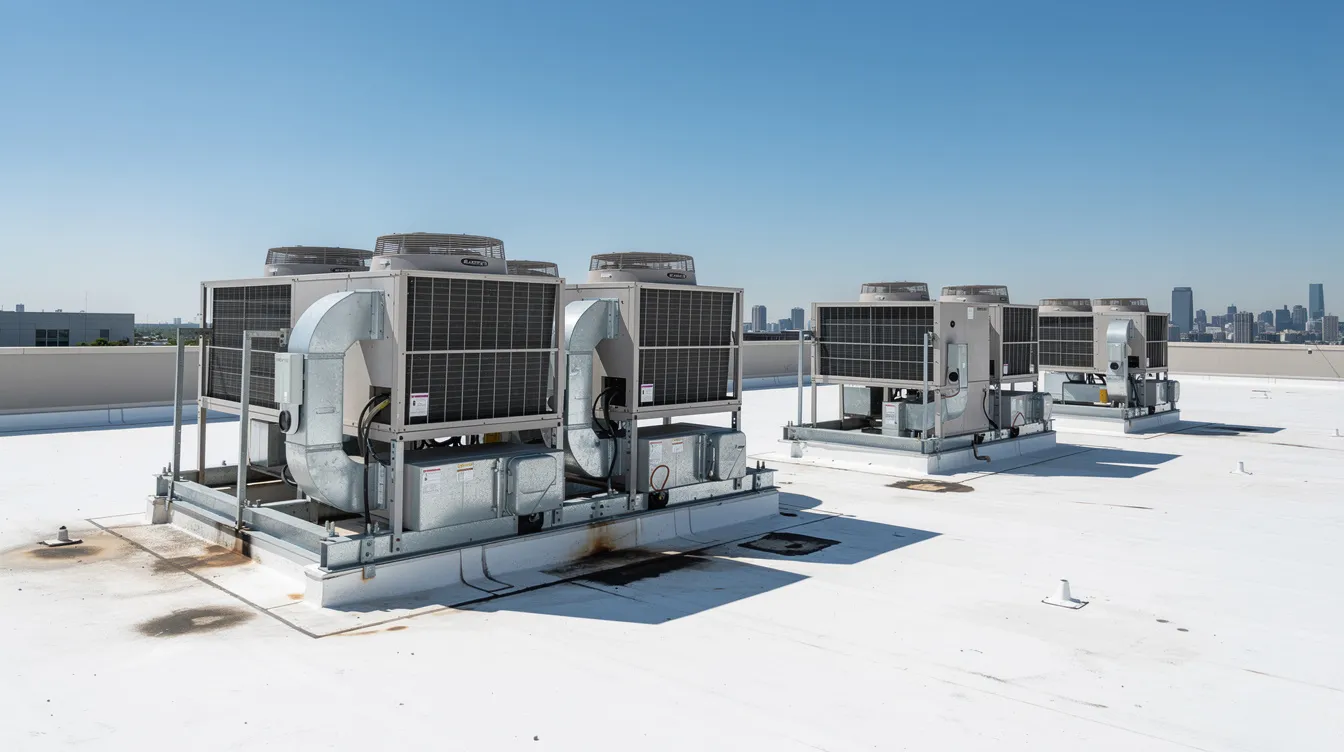
A typical rooftop hvac unit packages heating, air conditioning, and ventilation components into one cabinet mounted on your roof. Many commercial properties use several hvac units to serve different zones-front versus back, upper versus lower floors.
Facility managers usually first notice trouble when people start complaining: employees reporting hot conference rooms in July 2026, retail customers mentioning drafts, or tenants flagging persistent humidity. Common signs that a rooftop unit needs repair include inconsistent temperatures and rising energy bills.
Visually inspect your commercial rooftop at least quarterly-or after major weather conditions like storms-and keep a simple log of comfort complaints alongside utility data to spot trends early.
Comfort and Airflow Problems You Shouldn’t Ignore
Comfort complaints and airflow problems are early warning signs that your rooftop unit is struggling, even if it still technically runs.
Cooling red flags: Units running constantly during a 90°F summer afternoon yet interior spaces sitting in the mid-70s or higher. Watch for warm spots near exterior windows and hot upper floors where cooling performance visibly drops.
Heating red flags: Cold drafts in lobby areas, perimeter offices that never reach setpoint during a January cold snap, and staff overriding thermostats to compensate for inadequate proper heating.
Airflow issues to watch:
- Weak or no air from supply diffusers
- Noticeable changes in air velocity between visits
- Some zones blasting strong airflow while others are stagnant
Poor airflow can stem from blocked filters or ductwork problems, a failing blower motor, dirty evaporator coil or condenser coil surfaces, collapsed filters, or belt and pulley wear. Frozen coils often result from airflow restrictions or refrigerant issues-both of which demand immediate professional attention to prevent compressor damage.
Uneven temperatures waste energy because the unit runs longer, straining components and shortening equipment life. These issues justify a professional rooftop inspection.
Strange Noises, Smells, and Visible Damage on the Roof
Unusual sensory cues are often the first clear signs a rooftop unit needs repair immediately. Strange noises from a rooftop unit can indicate potential mechanical failure, and unusual noises indicate mechanical problems needing attention.
Concerning noises:
- Grinding or screeching from blower assemblies (bearing failure)
- Rattling or banging from loose panels or fan blades
- High-pitched whining from failing motors or a fan motor under strain
- Loud compressor clatter at startup
Odor warnings: Unusual odors from a rooftop unit may indicate electrical issues or mold growth. Burning or electrical smells near rooftop access points suggest overheated wiring or contactors. Musty “dirty sock” odors inside the building point to drain pan or coil contamination.
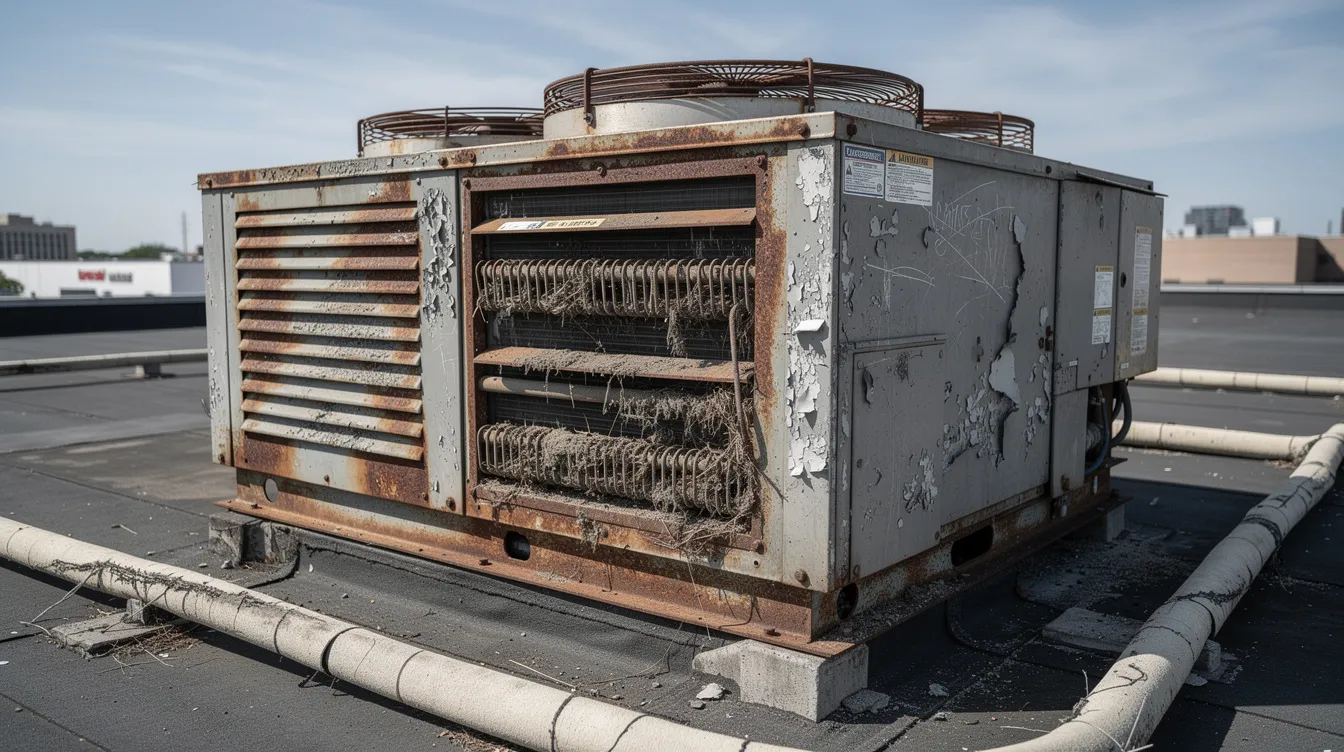
Visible damage: Missing panels, rust streaks on the cabinet, bent fan guards, standing water or ice around the curb, or insulation blowing out of the unit. Visible rust and corrosion on a rooftop unit can lead to system failure if left unchecked.
These symptoms often indicate deeper problems-fan motor failure, control board issues, wiring damage, or refrigerant leaks-that escalate quickly. Never attempt electrical troubleshooting yourself. Call experienced technicians from a commercial hvac specialist for prompt repairs.
Rising Energy Bills and Declining Energy Efficiency
Rising utility bills may signal that a rooftop unit is becoming less efficient. For buildings with predictable occupancy, year-over-year utility comparisons reveal problems clearly.
A struggling commercial hvac system uses more electricity and gas to deliver the same-or worse-heating and cooling through long runtimes, short cycling, and repeated restarts. Frequent cycling on and off indicates potential thermostat issues or control system malfunctions. Rising energy bills signal declining efficiency in your rooftop unit, and efficiency declines in older units contribute to increased operational costs.
Watch for: 10–30% increases in kWh or therms compared with the same months in the previous year without significant changes in occupancy or operating hours.
Common efficiency-related failures include dirty heat exchangers, failing condenser fan motors, worn compressors, malfunctioning economizers, and outdated controls. Modern rooftop units can achieve SEER ratings over 16 and deliver 30–40% energy savings compared to older models through advanced control boards and variable-speed blower motors.
Partner with a service company that combines inspection findings with utility data to quantify the real energy costs of keeping aging equipment versus investing in a new rooftop hvac unit.
Frequent Breakdowns, Age, and Repair vs. Replacement Decisions
Age and failure history are two of the most important factors when deciding between rooftop unit repair and rooftop unit replacement.
The average lifespan of a rooftop unit is 15 years. Rooftop units in harsh environments-coastal salt air, industrial atmospheres-may last only 10 years. Regular maintenance can extend rooftop unit lifespan by 5–7 years, but eventually every unit reaches a point of diminishing returns.
Patterns that signal replacement:
- Multiple service calls in a single cooling or heating season
- Repeated trips for the same component (blower motor, contactors, capacitors)
- Chronic nuisance alarms from the building automation system
The 50% rule: If repair costs exceed 50% of a new unit’s price, replacement is typically recommended-especially when the unit is already in its second decade. Frequent repairs on a rooftop unit can indicate that replacement is more cost-effective than continued complex repairs.
High-ticket repairs that often trigger replacement discussions include compressor failures, heat exchanger cracks, major control board or VFD failures, and widespread refrigerant leaks requiring extensive piping work along refrigerant lines. A compressor replacement alone on older units can approach the cost threshold where new equipment makes better financial sense.
Critical Component Failures: Blower Motor, Control Board, and Electrical Systems
Certain rooftop unit components are “make or break” for safe, reliable operation. Their condition often determines whether a repair is minor or a signal that the system has reached end of life.
Blower motor and fan failures: Fans not starting, running loudly, or tripping overloads. These directly reduce cooling performance and can cause coil icing or overheating. Failing motors are among the most common reasons for emergency repairs on commercial rooftop units.
Control board and electronics: The control board coordinates compressors, fans, ventilation components, and safety interlocks. Symptoms of failure include random shutdowns, unresponsive thermostats, and repeated nuisance lockouts. On older units with discontinued platforms, replacement boards can be scarce and expensive.
Electrical problems: Tripped breakers, blown fuses, scorched wiring, and contactors welded shut. Electrical failures can result from power surges and moisture infiltration into the rooftop cabinet.
A single blower motor changeout on a relatively young unit is a solid repair candidate. A major control board replacement on a 16-year-old unit with an obsolete platform often prompts a serious replacement conversation. Only licensed nate certified technicians should diagnose and correct these issues-improper wiring creates real fire, safety, and downtime risks for your business operations.
Water, Ice, and Moisture Problems Around the Rooftop Unit
Water and ice around a commercial rooftop hvac unit are more than cosmetic issues-they can damage your roof, building structure, and hvac systems simultaneously.
Warning signs:
- Standing water around the unit base or roof curb
- Algae or sludge buildup in condensate pans
- Ice on refrigerant lines or coils
- Water stains on ceiling tiles inside the building below the unit
Clogged condensate drains, improperly pitched drain pans, or compromised insulation allow water to back up into the unit or leak into the building envelope. Frozen coils require immediate professional attention to prevent damage and often point to deeper problems: low airflow from a failed blower motor, low refrigerant charge from leaks, or malfunctioning expansion devices.
Refrigerant leaks require EPA Section 608 certification to check and repair-another reason to rely on qualified technicians rather than general maintenance staff. When water regularly pools around the curb, roof membrane deterioration becomes an expensive building envelope problem that far exceeds a simple hvac repair bill.
Treat visible water or ice as a “call the technician now” event to prevent structural damage and mold issues in occupied spaces.
Planning a Smart Repair or Replacement with a Commercial HVAC Partner
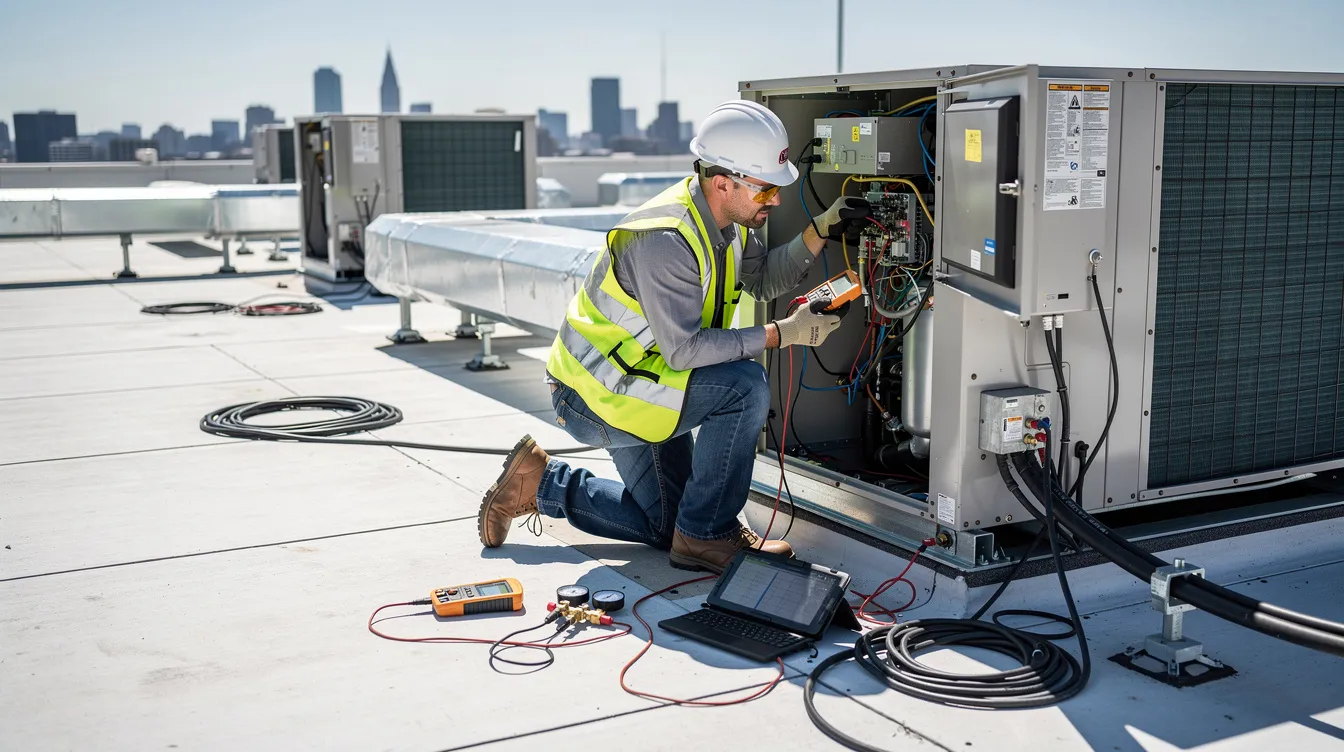
Frazier Service Company takes a collaborative, customer-centric approach to diagnosing rooftop unit problems and planning either targeted repair services or strategic replacements with minimal disruption to your team and customers.
A comprehensive rooftop evaluation should include:
- Physical inspection of the unit exterior and roof curb
- Testing of compressors, blower motors, and fan motor assemblies
- Verification of refrigerant levels and airflow measurements
- Inspection of the control board, wiring, and safety interlocks
- Review of maintenance history, filter changes, and comfort complaints
Discuss operational priorities with your service provider: acceptable downtime windows, critical zones like data rooms or production areas, and budget constraints so recommendations fit real business needs.
A forward-looking replacement plan coordinates crane work, electrical upgrades, rooftop unit installation logistics, and tie-ins to existing ductwork to deliver cooling solutions and proper heating with minimal disruption. A 7.5-ton commercial rooftop replacement averages $25,000, and rooftop unit replacement can take two to three days depending on complexity.
Ongoing maintenance agreements for commercial rooftop hvac equipment deliver documented inspections, proactive part replacement, improved energy efficiency, and help extend equipment life-all backed by a consistent service team with extensive experience. Most manufacturers recommend servicing rooftop units at least twice yearly through routine maintenance and regular maintenance visits.
As a family owned company serving Central Jersey businesses, Frazier Service Company’s experienced technicians handle everything from minor issues and prompt repairs to full commercial hvac system modernization. Don’t wait for a complete system failure-schedule an appointment today for a rooftop assessment to protect your commercial building, reduce energy costs, and keep your hvac units running at peak efficiency.
FAQ: Commercial Rooftop Unit Problems and Next Steps
These FAQs address common follow-up questions facility managers and building owners have after learning the warning signs of rooftop unit trouble.
How often should a commercial rooftop HVAC unit be inspected?
Most commercial rooftops should receive professional preventive maintenance at least twice per year-typically in spring before cooling season and in fall before commercial heating season. High-use facilities like 24/7 operations or buildings in harsh climates benefit from quarterly inspections and filter changes to maintain peak cooling performance. Regular inspections allow technicians to catch blower motor wear, control board degradation, and drainage problems before they become emergency repairs.
Can I delay replacing an older rooftop unit if it’s still running?
While an older unit may continue to operate, it often does so at much lower energy efficiency, driving up utility costs and increasing the risk of unplanned downtime during peak heating or air conditioning demand. A properly maintained rooftop hvac unit typically lasts 15 to 20 years, but beyond that window, the economics usually favor new equipment. Work with a commercial hvac partner to model the payback of a new high-efficiency unit versus continued repairs on aging equipment, and plan replacements during shoulder seasons when scheduling is easier on building occupants.
What should I do if only one zone in my building has problems?
In many commercial buildings, each rooftop unit serves a specific zone, so a single problem area may indicate that only one unit or its controls are failing. Issues may also stem from zone dampers, VAV boxes, or thermostat placement rather than the entire system. Document which rooms are affected, at what times of day, and under what outdoor conditions before the service visit to help technicians quickly isolate the fault.
How long does a commercial rooftop unit replacement usually take?
The physical changeout of a standard unit often takes two to three days, depending on roof access, crane coordination, curb modifications, and tie-ins to existing ductwork and controls. Lead times for new equipment can range from several weeks to a few months for large-capacity or specialized configurations, so planning ahead is critical. Consult your hvac partner early to create a timeline that minimizes disruption.
Will a new rooftop unit really improve indoor air quality and comfort?
Modern commercial rooftop hvac units offer more precise temperature control, better humidity management, and improved ventilation options compared with many legacy hvac systems. Upgraded filtration, better economizer controls, and advanced control boards enhance indoor air quality when properly selected and maintained. Work with a provider who matches new rooftop equipment to your building’s actual load and occupancy patterns rather than simply replacing like for like.